
The Ontario Exterior Painting Season: Timing It Right
How to choose the best months and conditions for exterior painting in Ontario homes.
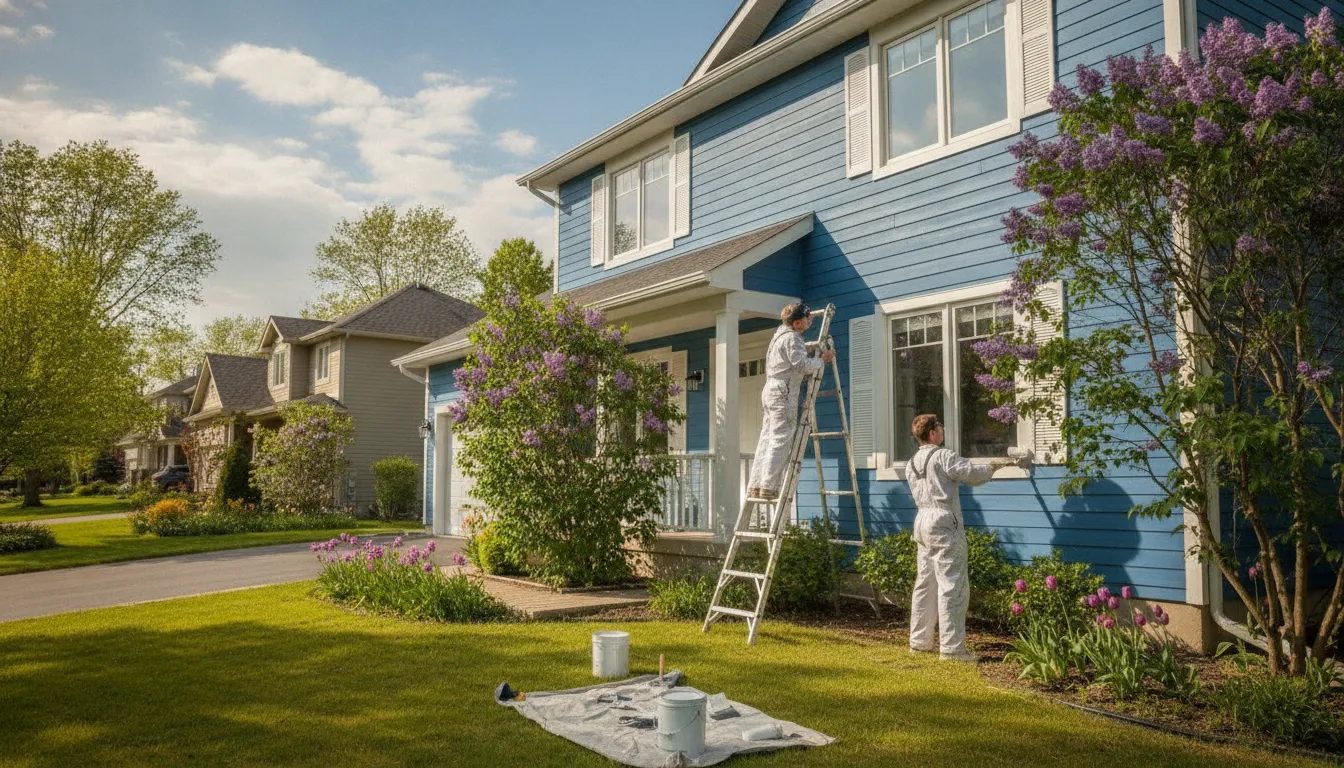
When is the right time to paint my house exterior in Ontario?
The best time is when daily highs are consistently between about 10°C and 25°C, nights stay above freezing, and there are several consecutive dry days—commonly late May through early October in Toronto-area neighbourhoods.
Temperature windows matter
Paints cure through chemical reactions that slow or stop when it’s too cold. Most latex and acrylic exterior paints recommend application when temperatures are above 10°C and not subject to frost; oil-based products often need slightly higher minimums. In Toronto and nearby cities like Mississauga and Markham, late spring to early fall typically provides the safest window.
Humidity and drying time
High humidity lengthens drying and curing times and can trap moisture under paint, risking blistering or adhesion failure. Aim for lower-humidity days when possible and allow manufacturers’ recommended drying time between coats—this can be longer in high-humidity conditions common on some summer days in the Toronto region.
Rain-free stretches are essential
Fresh paint needs several hours to a few days to set before rain; consult the paint label. A forecast with at least 48–72 hours of dry weather is a practical rule of thumb for most exterior jobs. If rain is likely, painters will delay or protect surfaces with coverings—temporary tarps can help but are not a substitute for dry application conditions.
Seasonal temperature swings
Ontario weather can change quickly—cool nights that dip near 0°C can harm curing, and heat waves above 30°C can cause paint to dry too fast, leaving brush marks or poor leveling. Choose mid-morning to mid-afternoon application times to avoid morning dew and late-afternoon cooling when possible.
Step-by-Step: The Ontario Exterior Painting Season: Timing It Right
A practical sequence homeowners and contractors use to pick the right painting dates and complete the job. Follow these steps from planning through final inspection to avoid weather-related rework.
- 1
1. Assess surface and seasonality
Inspect siding, trim, eaves, and wood for rot, loose paint, or moisture problems before choosing a season. If repairs are needed, schedule them first—painting over unresolved issues only hides the problem until the next failure.
- 2
2. Check long-range weather and pick a tentative window
Look at 10–14 day forecasts and seasonal trends; prioritize periods with consistent temperatures above 10°C and low rain probability. In Toronto, late May through September often works best; adjust for early springs or late falls if a mild spell occurs.
- 3
3. Confirm permit/insurance considerations
Verify whether local bylaws in Toronto or Toronto’s building department require permits for scaffolding, scaffolding footprints on sidewalks, or lead-safe practices for pre-1978 homes, and check with your insurer if the job is claim-related. Rules vary by neighbourhood—confirm locally before work begins.
- 4
4. Schedule the contractor with weather-contingency dates
Ask painters to schedule a primary start date and at least two backup stretches in case of rain or temperature drops. A written agreement should include provisions for rescheduling due to unsuitable weather with no penalty for reasonable delays.
- 5
5. Prepare the site and allow manufacturer drying times
Have gutters cleaned, vegetation trimmed away, and surfaces washed and sanded at least a week before painting. Follow the paint manufacturer’s instructions for dry days between coats—contractors should plan the sequence to match curing times, which can extend in cool or humid conditions.
- 6
6. Final inspection and seasonal maintenance plan
After completion, inspect for missed areas, runs, or adhesion problems; note them while the crew is still available to touch up. Create a seasonal maintenance plan—annual checks after winter help catch damage from freeze-thaw cycles and extend the paint’s life.
Mistakes to Avoid
Timing and preparation errors cause most exterior paint failures in Ontario. Avoid rushed schedules, ignoring weather forecasts, and skipping proper surface prep—these sample mistakes often cost more to fix than the original job.
Painting before addressing moisture problems
Applying paint over damp wood, leaky trim, or inadequately drained siding traps moisture and leads to peeling and mould growth. Repair flashing, soffits, and trim, and let wood fully dry before painting; if in doubt, use moisture meters or ask your contractor to verify dryness.
Relying on a single short-term forecast
Booking a job based on a one-day sunny forecast without contingency risks wasted labour and compromised results when showers arrive. Use longer-range outlooks and insist on an explicit rescheduling policy for rain and frost—experienced Toronto painters expect weather delays and plan accordingly.
Using wrong paint for temperature/humidity
Some products are formulated for cooler application or have low-temperature cure additives; others require warmer conditions. Match the paint to the expected conditions—check product technical sheets—and avoid cheaper paints that list narrow application ranges when your season can swing between cool and hot.
Skipping permits or local code checks
Ignoring permit requirements for scaffolding, sidewalk protection, or lead-safe work in older homes can lead to fines or forced work stoppages. Verify Toronto municipal rules and, if your house was built before 1990, discuss lead-preparation protocols with your contractor; always confirm locally as rules can change.
What Affects Your Outcome
Key factors that change scheduling, cost, and durability of exterior painting in Ontario.
Local climate and microclimates
Proximity to Lake Ontario, tree cover, and elevation create microclimates that change drying times and frost risk. A home in Toronto’s waterfront neighbourhoods may behave differently from one in the higher, tree-lined parts of Etobicoke.
Seasonal weather variability
Late spring can still have cold snaps; autumn may bring early frosts—both affect viable painting windows and require flexible scheduling to avoid poor curing.
Surface condition and repairs needed
Extensive rot, rust, or previous coating failures lengthen prep time and push the start date later. The more repairs required, the greater the chance the job will span unpredictable weather.
Paint type and manufacturer requirements
Different products have distinct minimum and maximum application temperatures and drying times; higher-performance systems (e.g., elastomeric coatings) often need stricter conditions and longer cure periods.
Contractor scheduling and crew size
Smaller crews take longer, which increases the chance of encountering unsuitable weather mid-job, while larger crews can finish within tighter dry windows. Discuss scheduling strategies with your contractor to match crew capacity to the forecasted window.
Local rules and insurance/permit processes
Sidewalk permits, scaffold placement rules, and insurance notification procedures can add lead time for approvals—check Toronto municipal procedures and confirm with your insurer when projects involve claims or potential public right-of-way impacts.
Frequently Asked Questions
When exactly is the painting season in Toronto?
Most exterior painting in the Toronto area happens from late May through early October when frost risk is low and daytime temperatures typically exceed 10°C. However, exact windows shift year to year—use local long-range forecasts and plan backups for rain or cold snaps.
Can painting proceed after a brief rain shower?
Only if the surface is fully dry and the paint manufacturer permits application after brief moisture events. Even light rain can raise surface moisture; contractors typically wait until surfaces are visibly dry and a dry weather stretch is forecast for proper curing.
Do I need a permit to put up scaffolding in Toronto?
Some scaffolding or sidewalk encroachment requires permits or protective measures in Toronto, especially when the public right-of-way is affected. Check with the City of Toronto building department; requirements vary by neighbourhood and specific job logistics.
How long will the paint job last in Ontario’s climate?
Lifespan varies by substrate, prep quality, and paint system—well-prepared and properly painted wood or fiber cement in Ontario typically lasts longer than on poorly prepared surfaces. Expect 7–15 years for many quality exterior systems, but maintenance, exposure, and product choice change that range.
What if my house was built before 1990—any special rules?
Older homes may have lead-containing paint layers; responsible contractors follow lead-safe work practices and containment. Confirm with your painter whether they provide lead-safe protocols and check local regulations and your insurer’s expectations—verify locally because requirements vary.
Should I pick a paint with a fast-dry formula for short summer windows?
Faster-drying paints can help fit work into short dry periods, but very rapid curing sometimes compromises leveling and adhesion, especially under high heat or humidity. Balance drying speed with the manufacturer’s performance data and consult your contractor about which product suits your schedule and exposure.
Free exterior painting timing inspection for Toronto-area homes
Get a no-cost assessment of the best seasonal window and an action plan for prepping your home—valid for Toronto, Peel and York area properties.
Get a Free Quote