
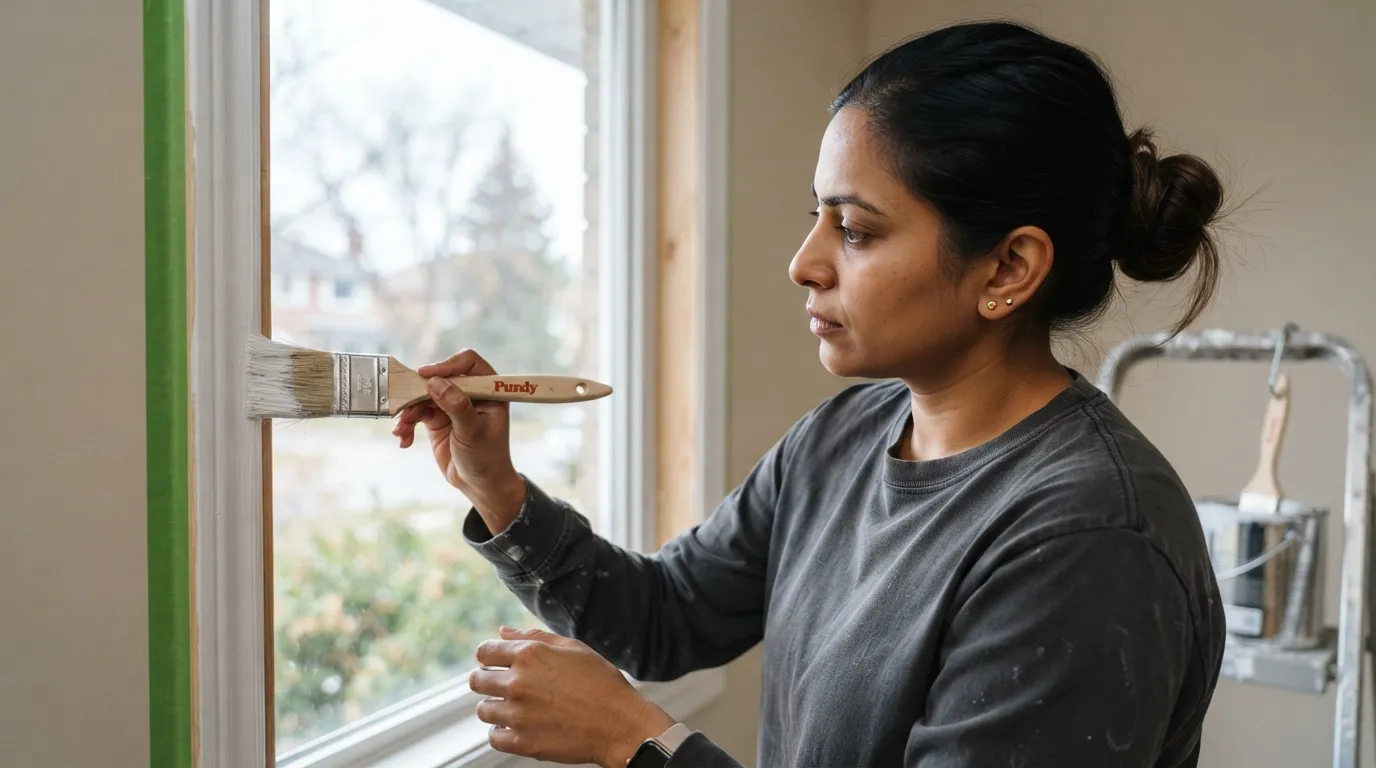
Cabinet Painting & Refinishing Done Right
Toronto cabinet resprays and refinishes — kitchens and baths, painted or sealed. Email us for a written quote.
Email Us for a Free EstimateCabinet Painting & Refinishing in Toronto
Cabinet Painting & Refinishing in Toronto keeps kitchens and bathrooms fresh without the cost and waste of full replacements. We work on solid-wood frames, MDF doors, thermofoil, and veneer surfaces common in homes across the city. This service covers cosmetic updates and performance repairs — not full cabinet box replacement unless needed. Read on to learn when a refinish makes sense and how local conditions affect the result.
What this service covers
We strip loose finish where required, sand and fill nicks, prime, and apply a factory-smooth finish using lacquer or high-build acrylic systems. Work includes hinge and hardware reconditioning, drawer-front alignment, and edge-banding repairs for laminate and veneer. For bath cabinets we use moisture-resistant primers and topcoats to handle humidity cycles. The goal is a durable finish and consistent door fit, not a temporary paint touch-up.
Signs you need it now vs what can wait
If paint is flaking, doors bind, or veneer is lifting, act sooner — those issues let moisture and wear reach substrate materials and raise repair costs. Superficial colour fading or a dated stain can wait until a planned renovation if budget is tight. If you’re selling in Toronto’s tight market, a timely refinish improves perceived value without the time and cost of full replacements. Small chips can be patched, but widespread delamination needs a full refinish.
Why acting early saves money
Addressing hinge wear, loose veneer and finish failure early prevents moisture damage to the cabinet box and carcass. Replacing drawer slides or reglueing panels costs far less than rebuilding box carcasses or ordering custom cabinetry. Early refinish keeps original cabinet geometry intact, saving on fit-and-clearance work later. In Toronto, where older houses have solid frames, preserving the frame is the economical choice.
Why local conditions matter
Toronto’s seasonal humidity swings and winter indoor heating change how finishes cure and how wood expands. We choose primers and catalysed topcoats that tolerate the America/Toronto timezone climate cycle and balance fast cure with long-term hardness. Older Toronto homes often have oak or birch stock that needs different prep than modern thermofoil doors. Our crews size equipment and schedule work around seasonal humidity to cut the chance of finish blistering or tackiness.
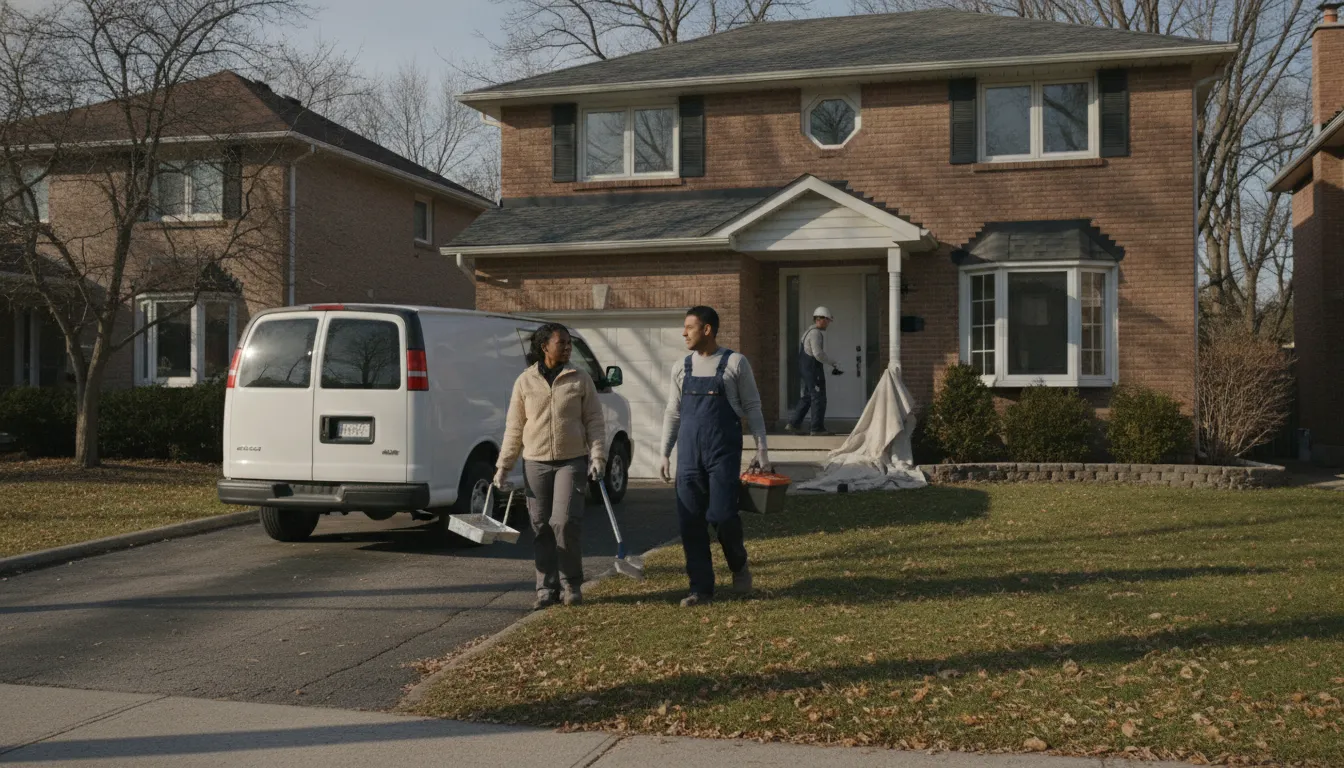
Types of Cabinet Painting & Refinishing We Handle in Toronto
We treat cabinets by construction type and by finish preference. Below are the common approaches we estimate for Toronto homes and what each involves.
Cabinet Painting & Refinishing — Toronto
Professional cabinet painting & refinishing — toronto from a licensed, insured local team.
Learn moreCommercial Painting Toronto — Toronto Painters Group
Professional commercial painting toronto — toronto painters group from a licensed, insured local team.
Learn moreDeck & Fence Staining — Toronto
Professional deck & fence staining — toronto from a licensed, insured local team.
Learn moreDrywall Repair & Prep
Professional drywall repair & prep from a licensed, insured local team.
Learn moreExterior Painting Toronto — Toronto Painters Group
Professional exterior painting toronto — toronto painters group from a licensed, insured local team.
Learn moreInterior Painting
Professional interior painting from a licensed, insured local team.
Learn moreWallpaper Removal & Installation — Toronto
Professional wallpaper removal & installation — toronto from a licensed, insured local team.
Learn more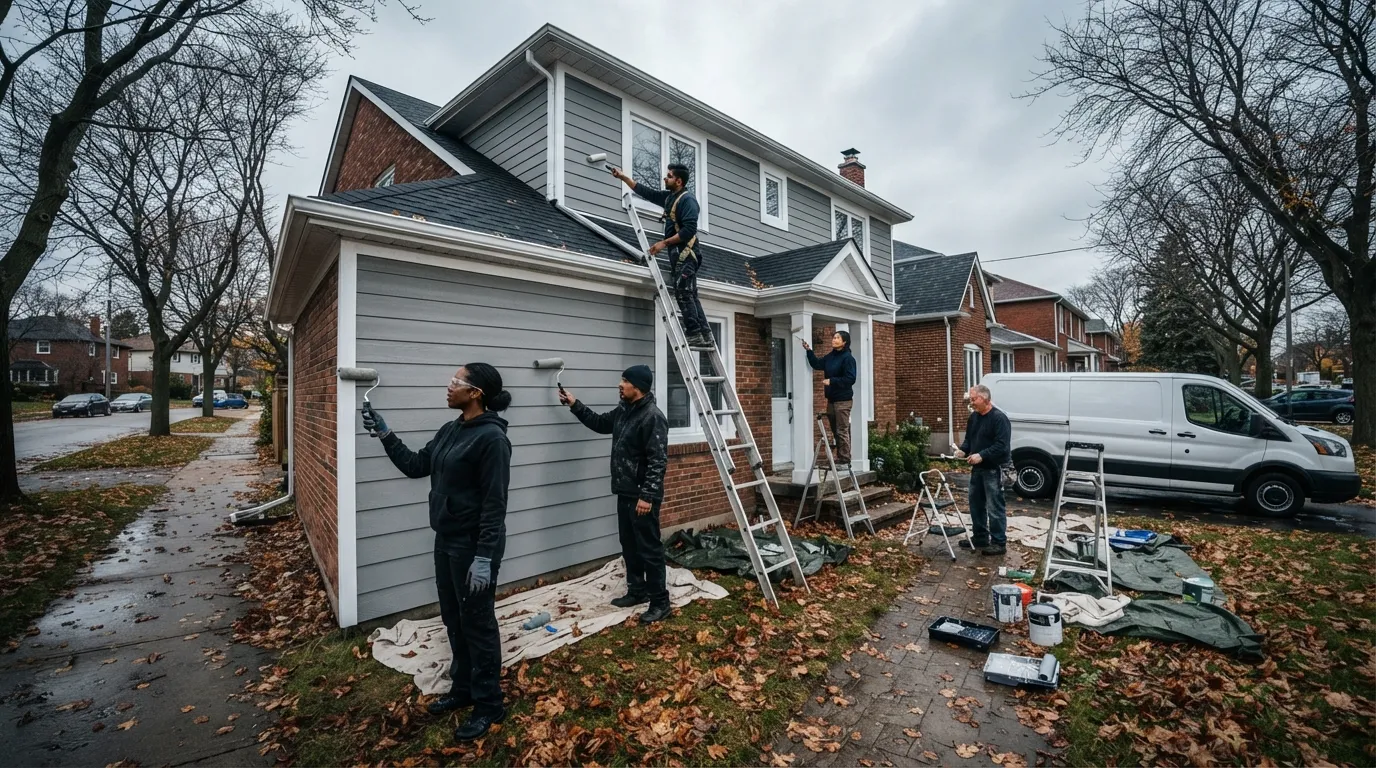
Request a no-obligation assessment and written quote by email
Email Us for a Free EstimateOur Cabinet Painting & Refinishing Process in Toronto
We write a clear scope and follow shop‑grade prep. Here’s how the work flows on a typical job in Toronto.
- 1
On-site assessment & measurements
We inspect boxes, backs, door construction, and hardware, and test for veneer lift and moisture damage. Photographs and measurements form the written scope so there are no surprises.
- 2
Written scope and materials list
You receive a written quotation outlining substrates, primer and topcoat types, whether doors will be spray-finished, and hardware allowances. The quote clarifies what we repair versus replace, and the expected timeline.
- 3
Scheduling and prep
We schedule work to avoid Toronto’s high-humidity windows where possible and protect countertops and floors with contractor-grade drop cloths and dust barriers. Doors and drawer fronts are labelled and removed, then the kitchen is made safe for homeowners to continue living in.
- 4
Prep, spraying and assembly
Prep includes deglossing, sanding, edge repairs, and use of adhesion primers on non-porous materials. We spray in a controlled area with tack cloths and use catalysed finishes where extra hardness is needed. Hardware is reinstalled with new mounting screws and shims as required.
- 5
Protection, cleanup and final adjustments
We protect surfaces during cure time, run final hardware adjustments, and clean dust and fumes with HEPA vacuums and air exchanges. The job ends with a walkthrough and a written checklist of completed items.
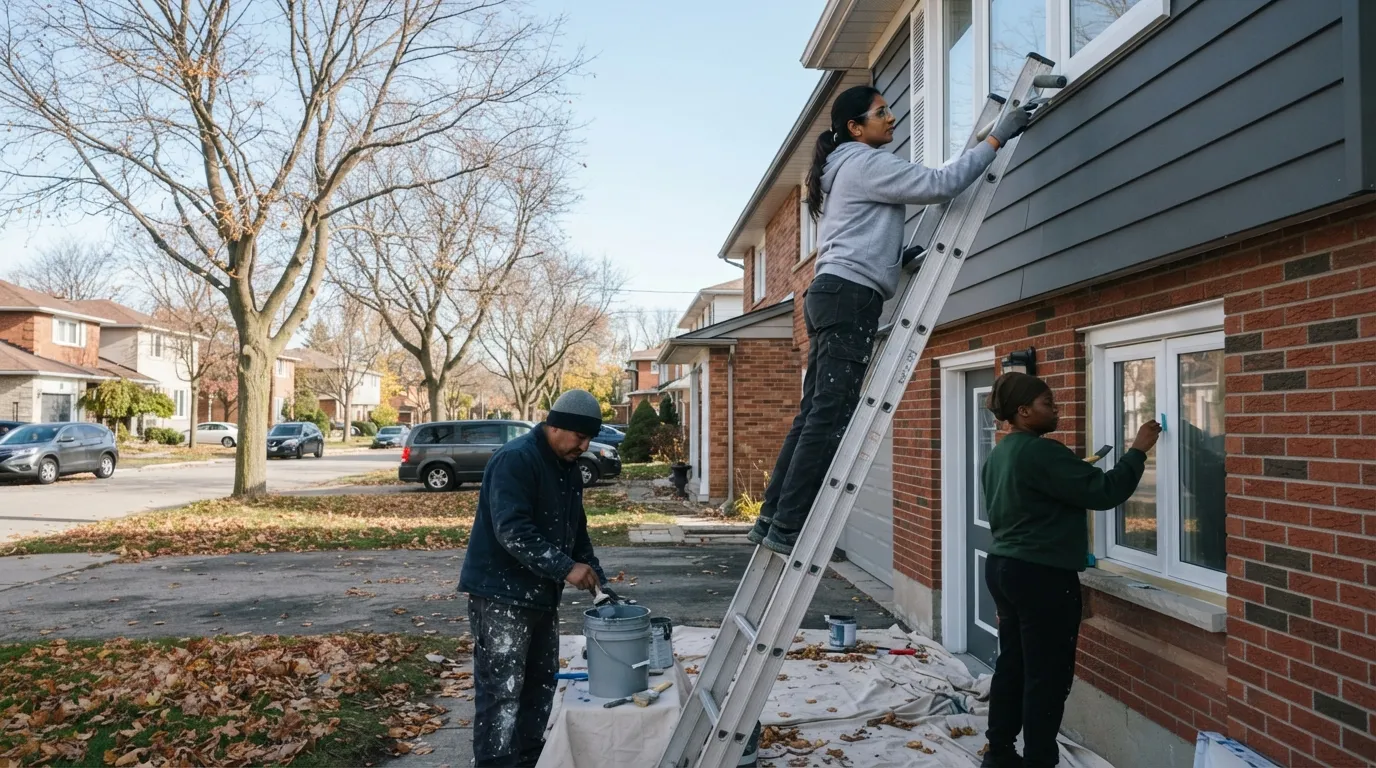
Cabinet Painting & Refinishing in Toronto
Toronto homeowners need practical solutions for tired cabinets. Cabinet Painting & Refinishing in Toronto keeps you from paying full replacement costs while delivering a factory-smooth finish when done right. This section covers when to refinish, what finishes and substrates we work with, and how local climate and housing stock shape the work. Read this if you want a job done once and done properly.
What this service covers
We strip, clean, repair, prime and refinish cabinet doors, drawer fronts, face frames and exposed shelving. We work on solid wood (including oak and maple), plywood, MDF, thermofoil, and factory-lacquered surfaces. Options include sprayed enamel, conversion varnish-style systems, and durable waterborne alkyds for a hard wearing finish. We also handle drawer boxes, hinges, soft-close mechanisms and new hardware installation where requested.
Signs you need it now vs what can wait
Immediate attention is needed for flaking or chipping paint, swollen doors that jam from humidity, or exposed plywood edges where moisture will delaminate the core. Cosmetic dulling, light surface scratches, or minor staining can sometimes wait or be handled with a touch-up. Acting early on chips and worn edges avoids replacing doors or entire runs of cabinetry — the parts that fail first are usually edges and hinge mortises. For older oak stock, refinishing now prevents costly sanding or full door replacement later.
Why acting early saves money
Repairing loose veneer, filling small edge gaps and refinishing before water damage sets in avoids replacing drawer boxes or cabinet carcasses. A planned, professional refinish lets us reuse existing hardware and hinges where possible, saving material costs. Early intervention means less sanding back to bare substrate and fewer stop coats, which cuts labour time. In Toronto’s varied humidity, sealing early reduces cyclic movement that leads to sticking or warped doors.
Why Toronto conditions matter
Toronto homes—from older bungalows in Cabbagetown to mid-century flats in the Annex—have a lot of legacy cabinetry materials like oak veneer and early thermofoil. The local climate swings through humid summers and cold winters, so finishes need flexibility and good adhesion to resist cracking and edge lift. Building practices in Toronto often use plywood or particleboard carcasses; we choose primers and adhesives compatible with those cores. Proximity to nearby cities like Mississauga and Markham means crews are prepared for the same housing stock across the GTA.
Why Choose Toronto Painters Group for Cabinet Painting & Refinishing
We run a straightforward job site. No surprises. We write the scope and stick to it. Here’s what we deliver in Toronto.
Transparent written quotes
Every estimate from Toronto Painters Group comes with a written scope listing door counts, finish system and timeline. You get the pricing assumptions—materials and labour—so there are no surprises when the invoice arrives.
No hidden fees
We itemize allowances for hardware and unforeseen repairs rather than burying costs in a lump sum. If a hinge or substrate needs replacement, we email the change order and wait for approval before proceeding.
Job-site protection & cleanup
We protect floors, counters and appliances with contractor-grade drop cloths and corner guards. Daily tidy and final cleanup are part of the price—your kitchen is usable outside of spray or cure windows.
Local Toronto crew
Our crews live and work in Toronto neighbourhoods and understand local stock and seasonal timing. Working in the America/Toronto time zone means scheduling that fits your day and building requirements.
Workmanship guarantee
We stand behind adhesion and finish defects with a written workmanship guarantee that covers peeling, delamination, and finish failures tied to our process. The guarantee terms are clear and included with every quote.
Clear, email-first communication
We do all booking and follow-up by email so there’s a written record of scope, approvals and material choices. Email first keeps everything transparent and reduces miscommunication on complex colour or finish choices.
Signs You Need Cabinet Painting & Refinishing in Toronto
Look for these symptoms. Each tells you what’s happening behind the surface and how serious it is.
Flaking or chipping paint
Small chips mean the finish is losing adhesion at the edges—often a sign of moisture or poor original prep. If left, chips spread and expose veneer or particleboard, which then absorbs moisture and swells.
Sticky or swollen doors
Doors that stick in summer and shrink in winter indicate moisture movement in the wood or core material. That movement causes finish cracking and can damage jambs and hinges if not addressed with sealing and proper re‑routing.
Faded, dull surfaces
A matte, worn look usually means the topcoat has lost its protective properties from years of cleaning and heat exposure. This invites deeper wear and makes the surface more prone to staining and abrasion.
Visible veneer lift or bubbling
Bubbling along joints or panel faces points to adhesive failure between veneer and substrate—often from water infiltration or improper gluing. Left alone, veneer can delaminate completely and require door replacement.
Cracked or pitted finish near handles
High-contact areas wear faster; pitting near pulls suggests the topcoat has been abraded, exposing underlying primer or wood. This is a repairable area but signals the whole run may be nearing end-of-life.
Outdated oak or heavy grain showing
Older oak cabinets with strong grain may look dated; a refinish with a paint or stain choice can modernize appearance without replacement. Solid-wood doors respond well to sanding and new finish systems, while veneer requires gentler prep to avoid sanding through.
Hardware or hinge failures
Loose or stripped hinge screws and worn soft-close mechanisms indicate underlying movement or degraded fasteners. Replacing hardware without addressing substrate can lead to repeated failures.
Warped panels or gaps at joints
Warping often results from prolonged humidity changes or direct heat exposure. Gaps at joints mean the cabinet geometry has shifted and may need repair or re-squaring before refinishing.
Common Considerations Before Booking Cabinet Painting & Refinishing
How does my budget line up with a professional refinish?
Compare the cost of a professional Cabinet Painting & Refinishing job to full replacement. If your carcasses are sound and doors are repairable, refinish often costs a fraction of replacement and keeps landfill out of the city. For severely water‑damaged carcasses or delaminated veneer, replacement may be the financially smarter option.
What season is best for the work in Toronto?
Spring through fall are typically best because humidity is easier to control and spray cure times are predictable. Winter work is possible but requires heated, controlled environments to avoid poor cure and blush; we plan accordingly in Toronto’s climate.
Repair vs replace—how do I choose?
Ask whether the cabinet boxes are structurally sound, whether veneers are intact, and if the layout still meets your needs. If you want to change layout, add islands or move plumbing, replacement is the right call; for surface refreshes and colour updates, refinishing is ideal.
Which materials and finishes should I pick?
Choose finishes based on use: high-touch kitchens benefit from conversion-style varnishes or durable waterborne alkyds; bathrooms need moisture-resistant topcoats. Substrates like MDF and thermofoil require primer systems formulated to bond to non-porous surfaces.
How disruptive will this be to my household?
A full spray refinish often requires removing doors and drawers and can limit kitchen use during spray and cure windows. We stage work in phases and protect appliances so you can use parts of the kitchen between stages. We coordinate timing by email to minimise disruption.
Do I need permits or inspections for cabinet refinishing?
Generally, cabinet painting and refinishing does not require municipal permits in Toronto. Structural changes, electrical or plumbing relocation do. If your project touches those trades, we flag it in the scope and note when a permit may be required.
How much does Cabinet Painting & Refinishing cost in Toronto?
Cost depends on factors including number of doors and drawer fronts, materials chosen (waterborne alkyd vs conversion-style systems), the condition of substrates, access and trades coordination, and any unexpected repairs found during prep. We price by scope: door count, prep required, finish system, and any hardware or hinge replacement. Email us for an on-site assessment and a written quote that lists assumptions and allowances.
How long does the work take from start to finish?
Typical projects take from a few days for small runs to two weeks for full kitchens, including removal, prep, spray application and cure time. Scheduling depends on cure windows, which vary with season and humidity in Toronto. We include timeline estimates in the written scope so you can plan around meal prep and household needs.
What finish materials do you use and why?
We use industrial-grade primers and topcoats specified for cabinetry: adhesion primers for problematic substrates, high-build primers for veneer repair, and either conversion-style or waterborne alkyd topcoats for durability. The material choice depends on substrate and the wear expected; we explain trade-offs in your estimate email.
Do I need a permit or inspection?
Refinishing and painting alone typically do not need a permit in Toronto. Any work involving moving electrical, plumbing or structural changes will likely require permits and inspections. We flag those items in the scope and recommend trades who handle permits when needed.
What kind of warranty or guarantee do you offer?
Toronto Painters Group provides a written workmanship guarantee covering adhesion failures or finish defects attributable to our application process. The guarantee is included with your quote and outlines what is covered and how we handle remedial work. It does not cover abuse, accidental damage, or pre-existing substrate failures not identified in the scope.
How should I prepare my home before the crew arrives?
Clear countertops and remove items from cabinets, and disassemble fragile hardware if you prefer. We'll handle removal of doors and drawers and protect floors and appliances. For larger jobs we ask you to set aside a nearby room for storage of small items during spray days; we outline prep steps in the pre-job email.
Why do quotes differ between contractors?
Quotes vary because contractors use different materials, prep standards, and application methods—hand-brushing, rolling, or spray systems—and include or exclude itemised repairs like hinge mortise repair or veneer replacement. Some crews do full door removal and off-site spraying in controlled booths; others spray on-site. We provide a detailed written scope by email so you can compare like for like.
Weather sets your painting window — email us to plan the job.
Fall painting conditions in Toronto, ON
Fall around Toronto, ON offers stable, moderate temperatures that are perfect for exterior painting — getting it done now protects your siding and trim through winter.
Proudly Serving Toronto, ON
Local, on-time service throughout Toronto and the surrounding area.