

Deck & Fence Staining Done Right
Seasoned stain and seal work across Toronto neighbourhoods — email us for an inspection
Email Us for a Free EstimateDeck & Fence Staining in Toronto
Deck & Fence Staining in Toronto means more than a pretty finish. It’s about stopping grey, halting mildew growth and keeping water out of the grain before rot sets in. Toronto’s climate — cold wet springs, hot humid summers, freeze-thaw in winter — ages exposed wood fast. Toronto Painters Group focuses on stain and seal systems that suit local wood species and the city’s seasonal swings.
What the service covers
We strip or power-wash old, failing stain when needed, spot-repair boards, apply penetrating stain or semi-transparent oil-based systems, and finish with a water-repellent sealer where appropriate. We work on pressure-treated pine, cedar, redwood and composite railings and pickets. The scope includes railings, steps and fence posts plus surface prep to ensure adhesion and penetration.
Signs you need staining now
If railings are greyed, boards check (surface cracks), or you see mildew and lingering damp spots after rain, you need staining soon. Peeling or flaking stain and soft spots at the joist line indicate moisture has already started damaging the structure. Acting now prevents replacing boards and joists later — stain is a relatively small investment compared with structural repair.
Why acting early saves money
A fresh stain system protects the wood fibres, reduces water absorption and slows UV breakdown. Left unchecked, moisture leads to rot at fastener points and joist ends, which means board replacement and potential deck rebuilds. Regular maintenance staining keeps costs predictable and extends the life of the deck or fence by years.
Why Toronto weather matters
Toronto’s humidity and freeze-thaw cycles push water into the wood and then expand it, accelerating splitting and end-grain failure. Nearby cities like Mississauga and North York share these stresses, so our product choices and drying windows are tuned to local patterns. We plan work around seasonal windows where stain can cure properly and avoid quick re-wetting from summer storms or autumn rains.
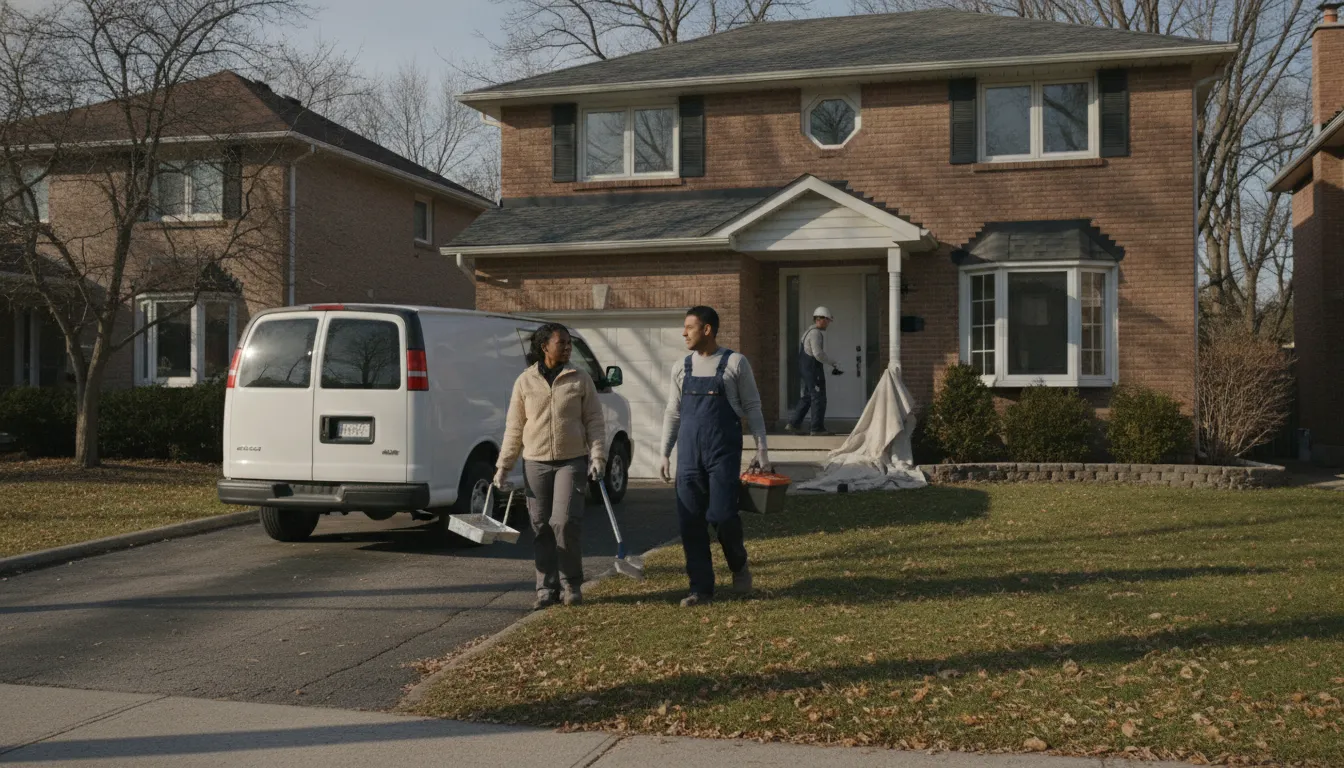
Types of Deck & Fence Staining We Handle in Toronto
We treat stains and sealants like mechanical solutions — each has a role. Below are the common approaches we install, and which jobs they suit best.
Cabinet Painting & Refinishing — Toronto
Professional cabinet painting & refinishing — toronto from a licensed, insured local team.
Learn moreCommercial Painting Toronto — Toronto Painters Group
Professional commercial painting toronto — toronto painters group from a licensed, insured local team.
Learn moreDeck & Fence Staining — Toronto
Professional deck & fence staining — toronto from a licensed, insured local team.
Learn moreDrywall Repair & Prep
Professional drywall repair & prep from a licensed, insured local team.
Learn moreExterior Painting Toronto — Toronto Painters Group
Professional exterior painting toronto — toronto painters group from a licensed, insured local team.
Learn moreInterior Painting
Professional interior painting from a licensed, insured local team.
Learn moreWallpaper Removal & Installation — Toronto
Professional wallpaper removal & installation — toronto from a licensed, insured local team.
Learn more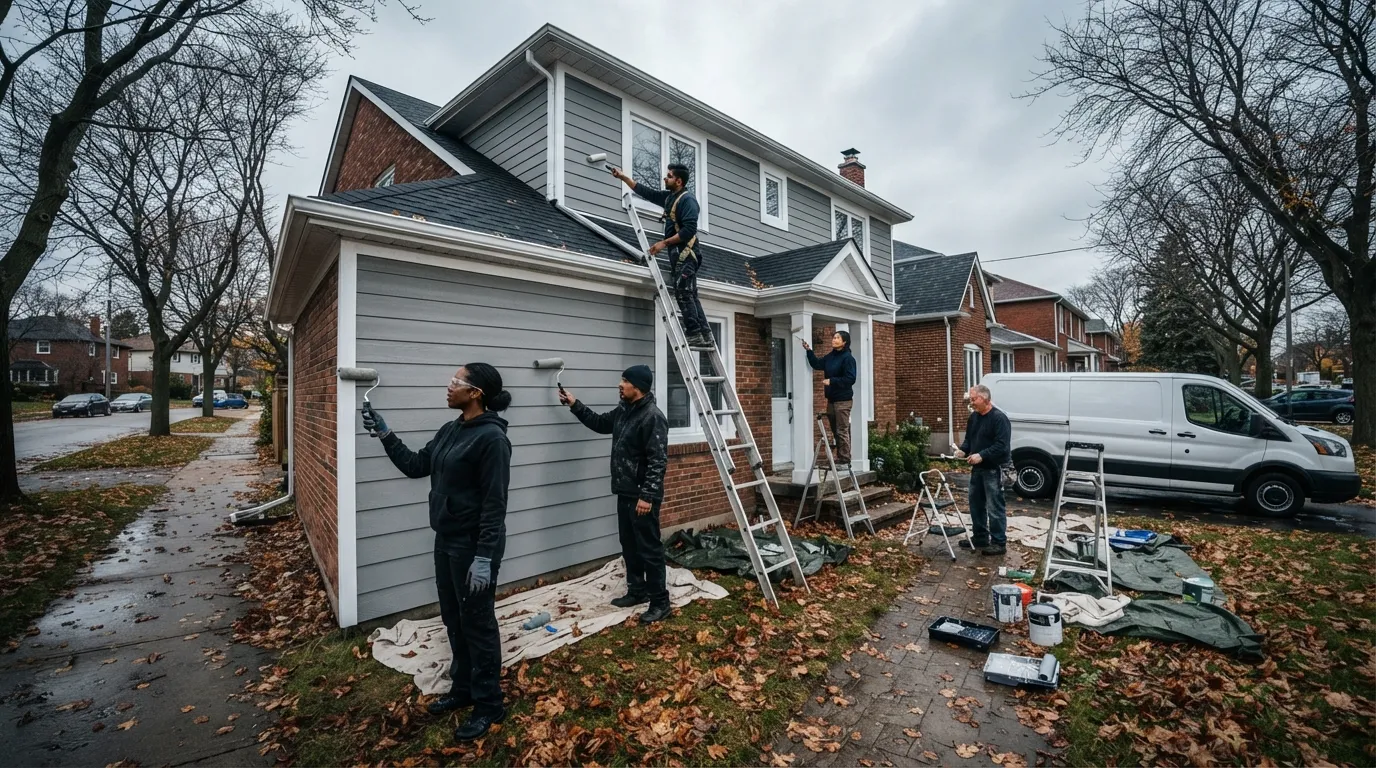
Request a no-obligation deck and fence assessment by email — we’ll detail what needs doing and why
Email Us for a Free Estimate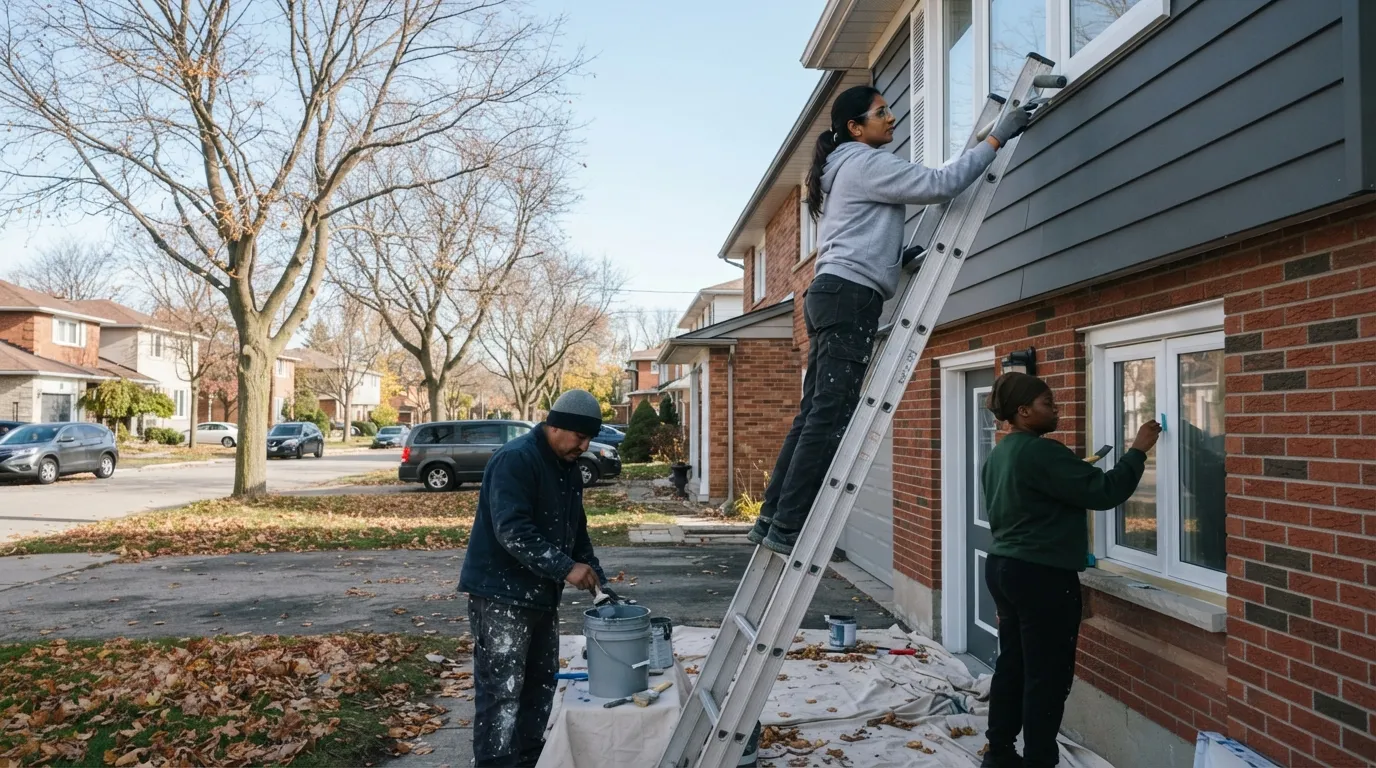
Deck & Fence Staining in Toronto
Toronto homeowners face a lot from the elements. Between spring thaw, summer humidity and freeze–thaw cycles in autumn, wood on decks and fences takes a beating. Toronto Painters Group focuses on practical, long-lasting stain and seal solutions for residential properties and smaller multi-unit sites across the city and nearby neighbourhoods.
What this service covers
We stain and seal horizontal deck surfaces, balustrades, stairs, railings and vertical fence boards. Work includes cleaning, mildew treatment, mechanical or chemical stripping when needed, sanding or power-washing at controlled pressure, application of exterior wood stain or semi-transparent finish, and a water-repellent top coat where appropriate. We also address loose fasteners, rotten boards and flashing details so the finish performs correctly.
Signs you need staining now versus waiting
If the wood is greying, checking (surface cracks) or showing active mildew, the protective oils and pigments are gone and water is soaking into the fibres. If only surface dirt is present, a cleaning and lighter maintenance coat may suffice. Waiting past the point where boards are spongy or any structural fasteners rust through moves the job from maintenance to repair or replacement — and that costs more.
Why acting early saves money
A fresh stain and seal keeps moisture out and slows UV degradation, which preserves board strength and fastener life. Addressing surface failure early avoids replacing boards, joists or posts later. Preventative staining also reduces the frequency of full re-finishing cycles and keeps stains from peeling, which otherwise requires aggressive stripping.
Why local conditions in Toronto matter
Toronto sits in the America/Toronto timezone and endures humid summers and freezing winters, plus spring thaw that drives moisture into wood. Properties near Lake Ontario experience stronger humidity swings and salt drift in winter on some corridors, so selection of stain type and water repellency matters. Toronto Painters Group factors neighbourhood exposure — from waterfront terraces to inner-suburban yards — when choosing products and timing.
Why Choose Toronto Painters Group for Deck & Fence Staining
We treat staining like a trade — not a paint job you rush. Expect clear writing, practical choices and crews who know Toronto wood and weather.
Transparent written quotes
Every job starts with a written scope that lists materials, quantities and timing so you know what’s included. We avoid vague line items and describe the specific stain system we’ll use.
No hidden fees
If a rot or structural issue shows up, we document it and give a separate repair price instead of tacking it onto the finish bill. You only approve added work in writing.
Cleanup commitment
We protect plants, patios and vehicles with drop cloths and tarps and collect all debris and chemical wash water for responsible disposal. The property is left broom-clean and blocked surfaces are restored.
Local Toronto crew
Our crews work in Toronto neighbourhoods and understand local building practices, exposure patterns and access challenges. That local familiarity reduces surprises and speeds the job.
Workmanship guarantee
We provide a written workmanship commitment on the application and adhesion of the stain system, so you have recourse if the finish fails under normal weathering. Guarantee terms are included in the quote.
Clear communication
Email-first communication keeps everything documented: scope, revisions, warranty and follow-up maintenance notes are all sent to you. That means fewer misunderstandings and a paper trail for future owners.
Signs You Need Deck & Fence Staining in Toronto
These are the visible symptoms we see across Toronto properties and what each symptom usually means underneath the surface.
Greying wood and loss of pigment
When boards turn grey, UV has stripped lignin and protective pigments from the surface. That indicates the stain’s film or penetrating oils are gone and the wood fibres are drying out and becoming brittle.
Dark stains, mildew or black spots
Black or dark patches are mildew feeding on organic material in the finish and surface dirt. Mildew indicates trapped moisture and reduced fungicidal protection; left untreated it accelerates breakdown of the finish and can stain bare wood.
Peeling or flaking old stain
If the stain is flaking, adhesion has failed — either due to poor surface preparation, previous incompatible coatings, or moisture migrating from below. Peeling requires proper stripping or sanding and a compatible stain system to avoid repeat failure.
Spongy or soft boards
Softness means moisture has penetrated past the surface and started to rot the wood fibres. This is beyond a cosmetic fix and calls for targeted repairs or board replacement before staining.
Nail or screw heads rusting through
Exposed, corroded fasteners indicate trapped moisture and can lead to joint failure. Fasteners should be replaced or sealed; otherwise the structural connection remains vulnerable even after staining.
White salt-like deposits on low fences
Efflorescence or salt deposits show water carrying minerals through or into the wood — often near foundations or low-lying fences. The deposits point to chronic moisture movement that staining alone won’t fix; drainage or grading work may be needed first.
Stain looks patchy after rain
Patchy drying suggests inconsistent absorbency or humidity issues during curing. In Toronto’s humid summer or spring weather, timing and product choice affect whether the stain cures evenly or blisters and samples should be tested.
What to Consider Before Booking Deck & Fence Staining
Is staining the right choice or should I replace boards?
If more than isolated boards are soft or rotten, replacement is the safer path — staining won’t restore structural integrity. For surface degradation, staining and selective board replacement keep costs down. If your joists or posts show rot, plan for repairs first.
How does my budget affect the outcome?
Lower-cost options include transparent penetrating stains that are cheaper but need more frequent reapplication. Mid-range semi-transparent stains balance appearance and protection. Solid stains offer longer cosmetic life but hide wood grain; they can also mask problem areas, so inspection is critical.
When is the best season to book in Toronto?
Late spring through early fall gives the best curing window — avoid days with heavy dew or rain in the forecast. In Toronto’s climate you also need to account for shoulder-season temperature swings; products have minimum temperature and humidity limits noted on their data sheets.
Do I need a special stain for my wood type?
Different woods — cedar, pressure-treated pine, redwood — absorb stains differently. Pressure-treated lumber often needs longer drying time for residual impregnated moisture to leave. We test a small area and recommend penetrating oil stains or semi-transparent pigmented systems tailored to the substrate.
What disruption should I expect during the work?
Expect restricted access to the work area, some dust when sanding or scraping, and the smell of solvent-based or water-based finishes while curing. We protect furniture, plantings and provide a fenced-off work perimeter; many clients use us to work around scheduled events.
Are permits or code a concern for staining?
Staining alone typically doesn’t require a building permit in Toronto, but structural repairs can. If your work includes replacement of guardrails or structural posts, those changes might trigger a permit; we note that in the written scope so you can check with local authorities.
Weather sets your painting window — email us to plan the job.
Fall painting conditions in Toronto, ON
Fall around Toronto, ON offers stable, moderate temperatures that are perfect for exterior painting — getting it done now protects your siding and trim through winter.
Proudly Serving Toronto, ON
Local, on-time service throughout Toronto and the surrounding area.